Taking the Ring Off It: Furniture That Quietens a Hard-Floor Flat

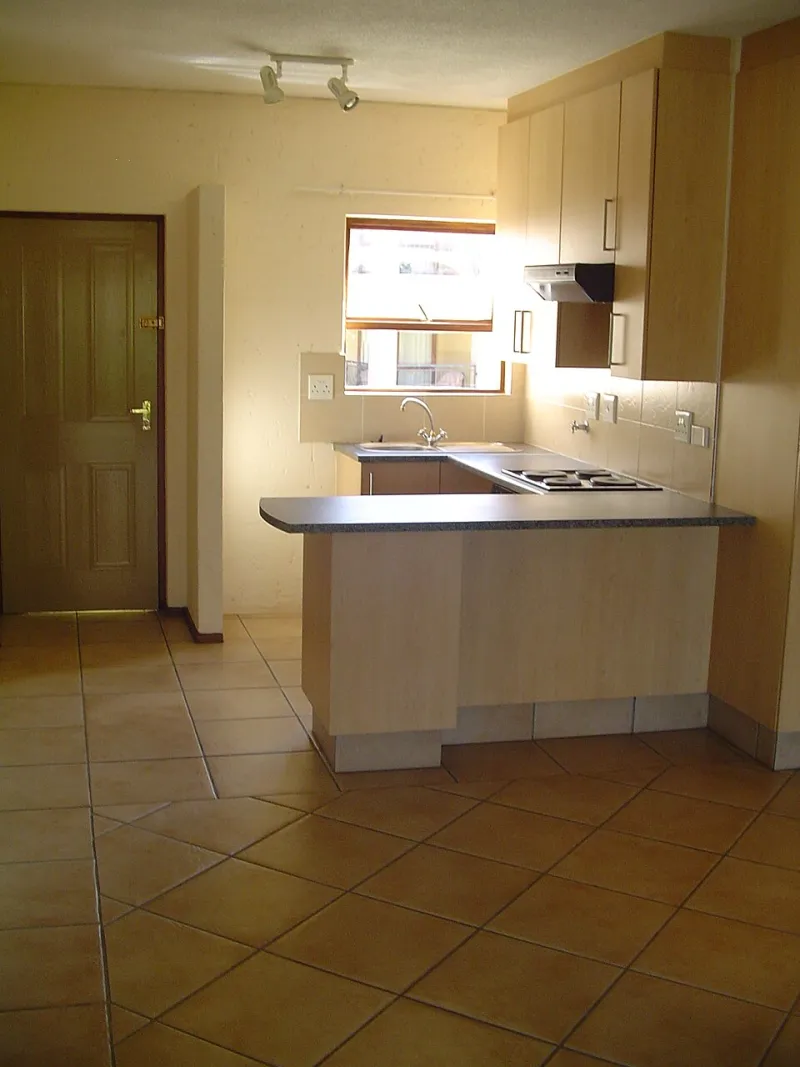
Photo: Evelyn Simak, CC BY-SA 2.0, via Wikimedia Commons
Every hard floor has a signature. Engineered oak gives you a bright clack underfoot. LVT is flatter, a bit plasticky. Tile clicks. And in a flat, none of that sound stays politely in the room it started in — it bounces off the walls, walks down the hall, and finds its way into the neighbour's ceiling at 7am when you're just trying to find your keys.
You are not going to soundproof your flat with a rug. Anyone selling you a rug on that promise is having a laugh. But you can do a great deal about the ring and the echo and the general clatter of daily life, and most of it is furniture you'd want anyway. This is a plan for spending sensibly on acoustic comfort — what actually works, what's a waste of money, and what order to do it in.
First, the honest bit about what furniture does
Soft things absorb mid and high frequencies. That's echo, kitchen clatter, the telly bouncing off a bare wall, voices, cutlery, a dog's claws on laminate. Those are the sounds that make a home feel loud and slightly stressful to be in. Rugs, curtains, upholstery and books all mop that band up nicely.
What soft furnishing cannot touch is low frequency — footfall from upstairs, bass through the wall, the rumble of a bus at the front window. Those need mass, decoupling and building work, and if the problem is serious it's a landlord or freeholder conversation, not a shopping conversation. What you're buying here is comfort, not silence.
Start where your own sound starts: the floor
The single highest-return purchase in a hard-floor flat is a rug that is bigger than you think it needs to be. A postage stamp in the middle of the room does almost nothing; sound simply goes around it. Get one that tucks under the front feet of the sofa and runs 30–40cm past the coffee table in every direction.
Underlay matters more than pile depth. A modest rug over a dense felt or rubber-crumb underlay will beat a thick, expensive rug with nothing underneath it. Underlay also stops the rug creeping, which is its own small daily annoyance solved.
Then go where the foot traffic is: a runner down the hallway, a washable mat at the sink and hob, rubber-capped feet on stools. Cork is quietly excellent underfoot in a kitchen if you're redoing the floor anyway.
Felt pads, and the thing nobody warns you about
Dining chairs scraping across a hard floor are one of the most reliably irritating noises a downstairs neighbour will ever hear, and it is a fifty-pence problem. Felt pads on every chair leg in the house. All of them. The stick-on ones wear through, so buy a pack of decent ones and replace them when they go bald.
The same goes for furniture feet: rubber or felt glides under a sofa, a sideboard, a bed. Not glamorous. Genuinely effective at removing a whole category of small sharp noise from your life.
Curtains are the cheapest wall you own
A hard-floored room usually has bare walls too, which is a double echo. Curtains fix both at once. Go heavy, go lined, and go longer than you think: floor-length, hung from a pole 15–20cm above the window reveal and 20–30cm wider than the opening on each side, so the fabric gathers rather than stretches flat.
Interlined or bump-lined curtains do noticeably more than a thin pair from a high street multipack. If you have a long blank wall, hang fabric across it — a full-width curtain on a wall that doesn't even have a window is an old studio trick and it works. Blinds are useful for light control but they are acoustically almost decorative.
The upholstery ledger
When you're choosing between two sofas, the boxier one with a high back, decent arms and a fabric cover will do more for the room than a slim, taut leather number. Same logic for beds: an upholstered headboard, a fabric ottoman instead of a glass one, a few cushions that actually get used.
This isn't a reason to buy a squashy sofa you'll hate in three years. It's a tiebreaker. If you're genuinely torn between two options and one is softer and deeper, the softer one is quietly earning its keep.
A bookcase is a diffuser you can sit next to
A full bookcase is one of the best-value acoustic objects in a home: irregular surfaces, gaps, mass, and a bit of air behind it. Books rather than styled ornaments, though leave some gaps and a few horizontal surfaces — perfect rows are less useful.
Put it on the wall you share with next door or the neighbour above, if you have one. It won't stop sound, but mass on a wall genuinely helps, and a wall of shelves breaks up the flat plaster that makes a room ring. Wall-mounted shelves do the same job in a smaller way.
The afternoon list
If you have a free Saturday and about £60, do these: felt pads on all chair and furniture legs; a draught excluder and a brush seal around the front door (gaps leak sound as readily as heat); rubber anti-vibration pads under the washing machine; move the telly and any speakers off hard surfaces and onto something solid; and put a rug in front of the telly rather than beside it.
Also worth knowing: taking shoes off indoors is not just a flooring decision. It's the cheapest acoustic upgrade in the building.
Where to spend first
- The biggest rug and underlay you can afford for the main living room.
- Lined, floor-length curtains, hung wide.
- Felt pads everywhere, plus door seals.
- A bookcase on the shared wall.
- Soft furnishings in the hallway and on the stairs — the places sound travels through.
What to skip: foam panels stuck to the wall in a panic. Cheap acoustic tiles claiming to soundproof a room rarely do much, and you'll have spent the rug money on them. If you want proper panels, buy them after the basics, and treat them as art rather than insulation.
And if it's still loud
If the noise is impact from above — footsteps, dropped objects, furniture being dragged — no amount of soft furnishing in your flat will fix it, because the problem is in the floor structure, not your décor. That's a conversation with the neighbour, then the landlord, then the freeholder or the council. It's worth having early and politely, because it is not a shopping problem and you shouldn't spend a thousand pounds pretending it is.
What you can do is make your own home sound calmer, less echoey, and gentler to live in. That's a rug, a curtain, a bookcase and a packet of felt pads — and at 925 Furniture, that's the sort of practical upgrade we'd always rather sell you than a promise.