Measure the Hallway, Not the Hype: Five Questions Before Furniture Comes Home
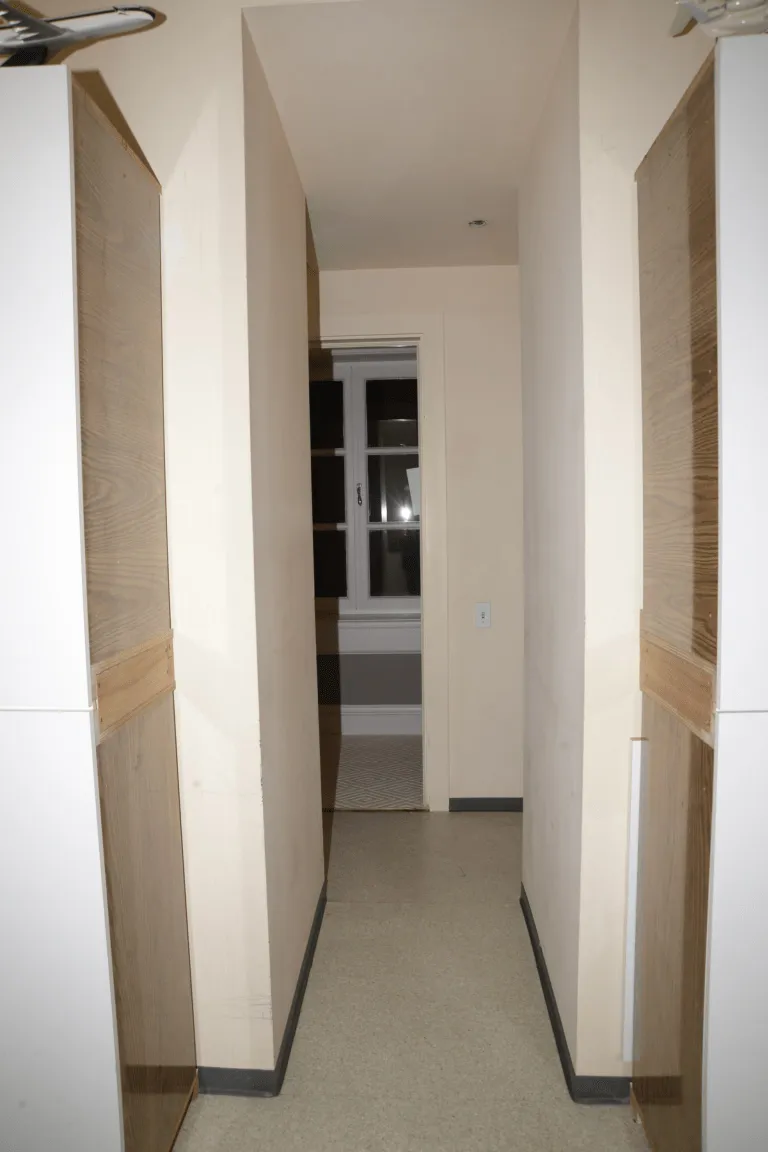
Photo: Federal Bureau of Investigation, Public domain, via Wikimedia Commons
Buying furniture online is easy. Living with it is the hard part. A sofa can look perfect in a photograph and still fail at the first hurdle: the front door of a Victorian terrace, the turn on the stairs, or the radiator it ends up jammed against. At 925 Furniture, we use a simple shorthand for this. We call it the 925 test: will it work for nine days out of ten, with two people (or one person and a very determined cat), for five years? It is not a scientific formula. It is a way of slowing down before you click buy.
Here are five questions worth asking before any piece comes home.
1. Will it get in, and will it get upstairs?
Measure more than the space where the furniture will live. Measure the doorway, the hallway width, the stair width, the narrowest point between banister and wall, and the ceiling height at the turn. In a terraced house, the tricky bit is often not the front door but the half-landing. Sofas with removable legs or flat-pack frames are your friend. So are tape measures and a friend who will hold the other end without sighing.
If the piece is a bed or a wardrobe, check whether it can be assembled in the room. A king-size frame that has to be built in a narrow landing is nobody's idea of a good Saturday. Ask for packed dimensions, not just product dimensions. That is the number that has to fit through the door.
2. Does it survive the radiator, the window and the wonky floor?
UK homes are full of beautiful obstacles: radiators under windows, skirting boards that stick out further than expected, floors that slope towards the door, and sash windows that let in a draught. A sofa pushed tight against a radiator will block heat and bake the fabric. A wooden table in direct sun will fade at different rates. A tall bookcase on an uneven floor will need a foot that adjusts, or a discreet wedge.
Check clearance for heat, air and cleaning. Leave a gap behind seating where you can. Use adjustable feet or felt pads. If you are putting furniture on original floorboards, think about weight distribution, especially with a full bookcase. Pretty things still need to be practical.
3. Who is actually going to use it?
A dining table for six is lovely until you realise you mostly eat on the sofa and host four times a year. A deep armchair looks inviting but may be hard for an older relative to get out of. A low coffee table is stylish but not great for someone with a bad back. Think about the real users: the person who works from the sofa, the child who uses the coffee table as an art desk, the dog who claims the best cushion.
Sit on the sofa. Open and close the drawers. Pretend to get up from the chair with a cup of tea in your hand. If it feels like a wrestle in the shop, it will feel like a wrestle at home.
4. Can you clean it without a drama?
Life in a UK home involves crumbs, muddy paws, hair, spillages and the occasional glass of red wine. Ask how the fabric cleans, whether covers are removable, and whether the colour shows every mark. Pale bouclé is gorgeous, but it is not the obvious choice for a household with a Labrador. Check under-sofa clearance for a hoover or a robot vacuum. Check whether the table has a finish that will ring-mark if someone puts down a hot mug.
This is not about being boring. It is about choosing materials that let you relax. A piece you are scared to use is not really furniture. It is a museum exhibit with legs.
5. Will it still earn its place in five years?
Trends are fine. They are also temporary. Before you buy, ask whether the piece can move house with you, whether it can be reupholstered, whether spare parts are available, and whether it will still suit the room if you repaint or change the rug. A neutral sofa with a good frame is more likely to last than a shaped novelty piece that only works in one corner. A solid table can be sanded. A well-made storage unit can be added to.
The 925 test is not about buying the most expensive thing. It is about buying the thing you will not resent in year three. If it passes the doorway, the radiator, the daily life, the cleaning and the five-year questions, it is probably worth it. If it fails two or three, walk away. There will be another sofa. There always is.