Nine Pieces, Two Jobs, Five Years: Furniture That Earns Its Place in a Small UK Home
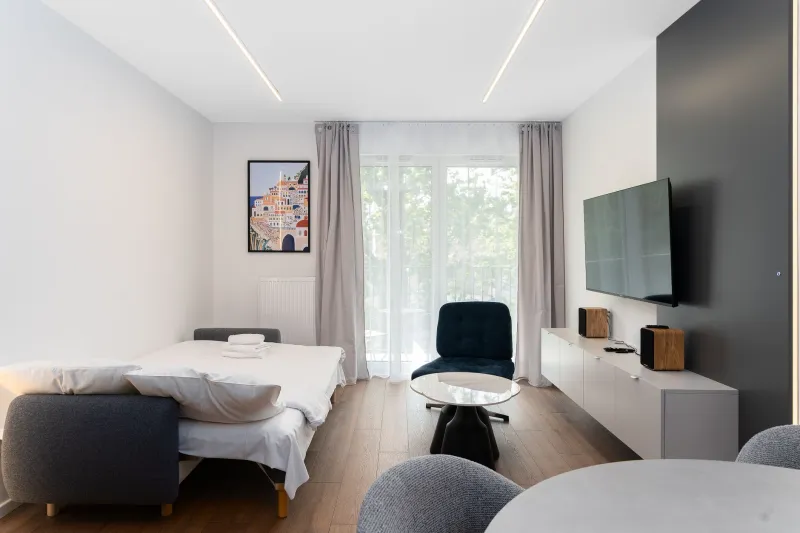
British homes don't always come with generous floor plans. A one-bed flat might give you a living room of roughly 3.2m by 4m; a Victorian terrace may have a front room that looks bigger until you put a sofa in it. The temptation is to solve the problem with more furniture. The better move is to choose fewer pieces that work harder.
The 9-2-5 test, before you buy anything
Here's the checklist we use at 925 Furniture: nine categories, two jobs each, and a five-year question. If a piece can't do at least two jobs, it probably isn't earning its floor space. If you can't imagine still wanting it in five years, rent it, borrow it or skip it. And before any of that, measure. Leave 60-70cm for walkways, check that internal doorways are wide enough (many UK doors are around 76cm), and note radiators, window openings and light switches. A room can feel full at 70% capacity.
1. A storage coffee table or ottoman
Two jobs: somewhere to put a mug, and somewhere to hide the stuff you don't want to see. In a small living room, a lift-up lid is more useful than a glass top. Look for a width of 90-110cm and a lid stay that won't slam on fingers. Use it for throws, games, chargers and the inevitable pile of post. If you eat on the sofa, check the height works with your seat.
2. A compact sofa with hidden storage or a sofa bed
Two jobs: everyday seating and occasional sleep or linen storage. A two-seater around 140-160cm wide is often the sweet spot in a flat. Measure the depth, too: a 95cm-deep sofa can swallow a small room. If guests stay a few times a year, a good sofa bed makes more sense than a second sofa. If they don't, choose storage under the seat and spend the difference on a better mattress topper for the occasional visitor.
3. A drop-leaf or gateleg table
Two jobs: dining table and desk or sideboard. Closed, many drop-leaf tables are only 20-30cm deep, which means they can live against a wall. Open, an 80-90cm table seats two comfortably and four at a push. This is the piece that turns a corner of a terrace into a dining room. Check the mechanism before you buy; a wobbly gateleg is a false economy.
4. Tall, slim shelving
Two jobs: storage and vertical display. Floor space is expensive; wall space is often wasted. A bookcase around 30-35cm deep can hold books, baskets and a lamp without jutting into the room. Fix it to the wall - especially in rented flats and homes with children. Don't fill every shelf. Leave one gap for a plant or a framed print so the unit doesn't read as a wall of clutter.
5. A bed with under-bed drawers
Two jobs: sleep and storage. In a bedroom of 2.7m by 3m, under-bed storage is often the difference between a calm room and a pile of boxes. Measure the height under the frame and check that drawers clear the door swing. If you have a divan, look for drawers that run on proper runners rather than fabric bags. Store out-of-season bedding and suitcases there, not things you need every day.
6. A hallway bench with shoe storage
Two jobs: a place to sit and a place for boots, bags and keys. A 1m-wide hall can take an 80cm bench, but only if the front door still opens fully. Look for a depth of 35-40cm and a shelf underneath for shoes. Add a slim coat rack and a tray for keys. This is less about making a statement and more about stopping the hallway becoming the holding pen for everything.
7. Nesting side tables
Two jobs: a side table and extra surface when friends arrive. Two or three nesting tables can tuck under each other, then fan out when you need somewhere to put a glass. They also work as a bedside table in a tight spare room. Choose ones with a stable base; cheap nesting tables can feel wobbly when fully extended.
8. A wall-mounted or folding desk
Two jobs: workspace and clear floor. A fold-down desk around 45-50cm deep gives you somewhere to work without permanently sacrificing a wall. Put it near a window if you can, and add a cable box or a hook for headphones. If you work from home every day, a slim console table with a pull-out keyboard shelf may be more comfortable than a folding flap.
9. Stackable or folding chairs
Two jobs: everyday dining and extra seats for guests. Four chairs around a small table is normal; two folding chairs hung on a wall or tucked behind a door is the hosting insurance policy. Check seat height (around 45cm) and weight limits. A folding chair that looks good enough to leave out is worth the extra tenner.
Budget tiers that make sense
You don't need to buy all nine at once. Start with the pieces that solve a daily irritation: the hallway bench, the storage coffee table, the bed drawers. At the high-street end, expect to pay £40-£120 for an ottoman or nesting tables, £80-£200 for a drop-leaf table and £150-£350 for a compact sofa bed. Mid-market pieces often cost £200-£600, and the money should go on joints, hinges and mechanisms. If you're investing £600-£1,200 in a sofa bed or dining table, ask about spare parts and whether the covers can be washed or replaced. Spend on the bits that move; save on the bits that don't.
Styling that buys you space
Keep the floor visible. Furniture on legs makes a room feel lighter than a solid skirt. Use one rug rather than several small ones. Repeat two or three colours so the eye has less work to do. A mirror opposite a window can bounce light, but don't hang it where it reflects a cluttered corner. Baskets and closed storage are not a failure of style; they are how real rooms stay calm. And leave a little breathing room around each piece. A small room with eight well-chosen items feels bigger than one with twelve cramped ones.
The five-year question
Before you tap buy, write the two jobs on a sticky note and put it on the item in your head. If you can't name them, don't buy it. If you're shopping second-hand, check upholstery fire labels and measure the doorway before you hire a van. The 9-2-5 test isn't about being strict for the sake of it. It's about buying less, living better and giving every piece in a small UK home a reason to be there.